Inside a Bowling Alley: What You'll Actually Find When You Walk Through the Door

Most people think bowling alleys are basically all the same. They're not. A family-fun center with 12 lanes and a snack bar is a completely different experience from a 60-lane competitive facility with pro shop services, league scheduling, and a full bar. Knowing what type of place you're walking into saves you from showing up at the wrong spot for what you need.
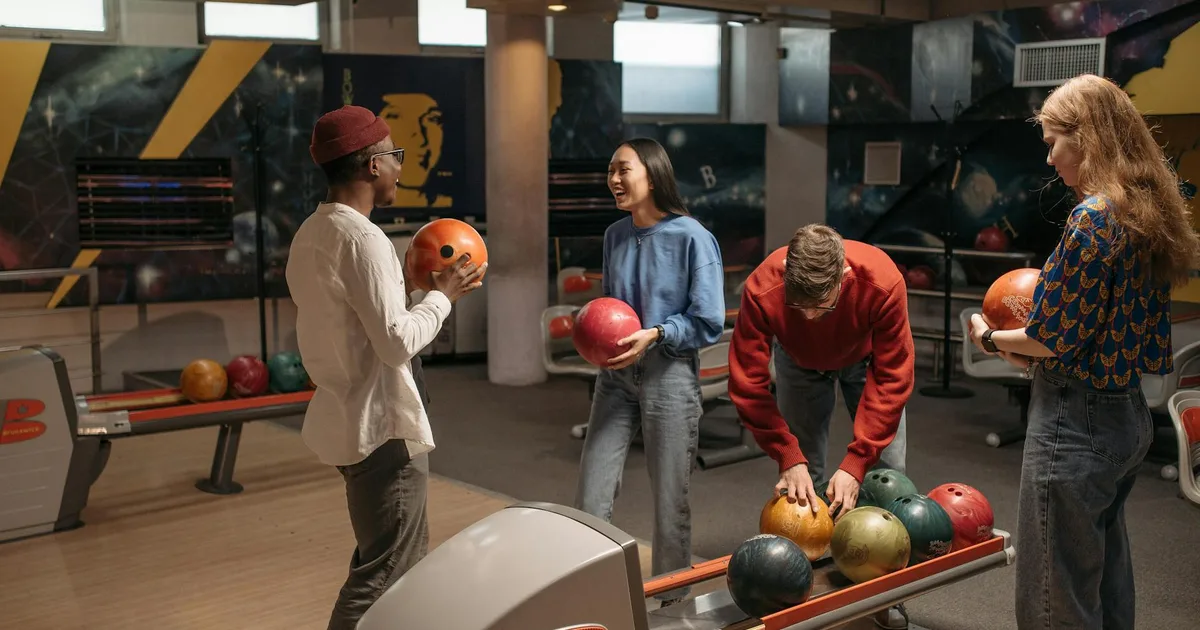
Bowling alleys are dedicated venues built around the sport of bowling, but they vary a lot in size, atmosphere, and services. Some are stripped-down, serious facilities for league players and competitive bowlers. Others lean heavily into entertainment, with arcade rooms, laser tag, and birthday party packages. A few try to do both, which can work out well or feel a bit scattered depending on how they pull it off.
What's Actually Inside a Bowling Alley
Walk into any bowling alley and you'll find the lanes first. That seems obvious, but the layout matters more than people expect. Lanes are numbered and run parallel in one long bank. Standard facilities have anywhere from 8 to 24 lanes. Larger venues, especially those that host tournaments or multiple leagues simultaneously, might have 40 or more.
Behind the lanes, you've got the pin-setting machines doing their thing automatically, which most guests never think about until one jams. And they do jam occasionally, especially at busier locations.
Beyond the lanes, most bowling alleys share a common set of features. Rental shoe counters are always near the entrance, usually right at the front desk. Ball racks with house balls in various weights line the approach areas. A concession counter or full-service restaurant is almost always present, ranging from hot dogs and nachos to actual sit-down menus at higher-end venues. Some locations also have a pro shop on-site where you can buy your own ball, bag, or shoes, and get a ball drilled to fit your hand.
Scoring systems have changed a lot. Most modern bowling alleys use overhead monitors with digital scoring that tracks everything automatically. You don't need to know how to score manually anymore, which honestly takes away a little bit of the math charm for older bowlers who grew up doing it by hand.
How Bowling Alleys Differ from Similar Venues
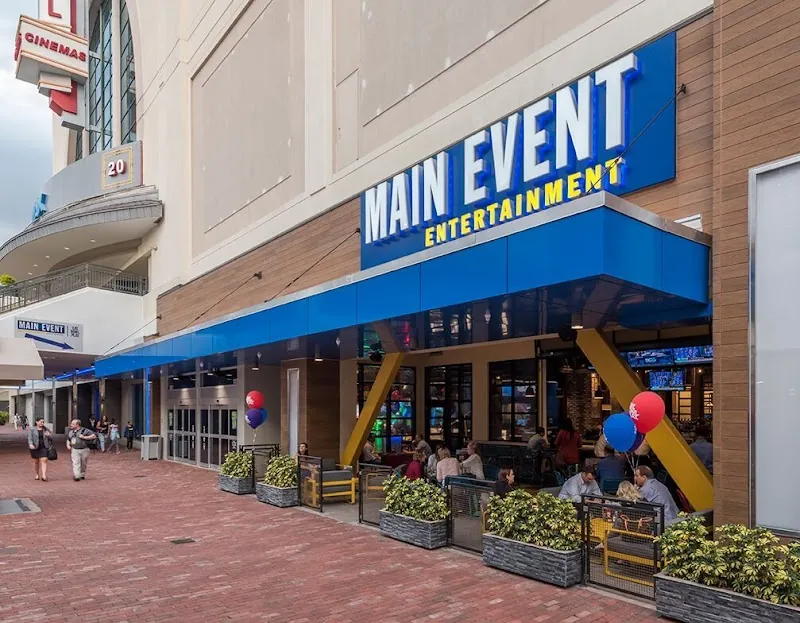
People sometimes confuse bowling alleys with family entertainment centers. There's overlap, but they are not the same thing. A family entertainment center treats bowling as one attraction among many. Bowling is secondary. An actual bowling alley treats bowling as the main event. Everything else, the food, the arcade games, the lounge, is built around supporting that.
Bowling bars are another variation that's become more common in larger cities over the past decade or so. These places lean into the social and nightlife angle. Lanes are often boutique-style, meaning fewer of them, with higher-end finishes, mood lighting, and cocktail menus. They're fun, but if you're serious about your game or want to practice technique, they're probably not your best option. A traditional bowling alley with full-length lanes and proper approach areas is better for that.
Cosmic bowling nights blur the line a bit too. Many standard bowling alleys run cosmic bowling sessions on Friday and Saturday nights, with blacklights, music, and a more party-like atmosphere. Same building, very different vibe from a Tuesday afternoon league session.
What to Expect During Your Visit
Shoe rental is almost always required. Most alleys charge between $3 and $6 for rentals, and they'll ask for your street shoe size. Bring socks. Forgetting socks and being forced to rent or buy a pair from a vending machine in the lobby is the kind of minor inconvenience that sticks with you.
Lane fees are typically charged per game per person, not by the hour. Prices usually run $3 to $7 per game depending on location, time of day, and whether it's a peak period. Weekends and evenings cost more. Some places charge by the hour for open bowling, which can actually be a better deal for groups who bowl slowly or want to practice without rushing.
Food service is worth factoring into your plan. Most bowling alleys allow you to eat at your lane. Ordering before your game starts is smart because wait times can be long on busy nights.
With 149+ verified listings on Bowling Pal, you can read through real ratings (the average sits at 4.3 stars) to get a feel for what specific alleys are like before you commit to the drive.
League Play vs. Open Bowling: Know the Difference Before You Go
This catches a lot of casual visitors off guard. Bowling alleys frequently reserve large blocks of lanes for league play, sometimes 80% of their capacity on certain weeknights. If you show up on a Tuesday at 6:30 p.m. expecting open bowling, you might find almost no lanes available.
Call ahead or check the venue's schedule online before visiting on a weeknight. Most bowling alleys post their league schedules on their website. If they don't, a quick phone call solves it.
League bowling is a big part of how these facilities operate financially. Leagues run in seasons, usually fall and spring, and members pay weekly fees that give the alley predictable revenue. Open bowling fills the gaps. Understanding that rhythm helps you plan visits that actually work.
Also worth knowing: some bowling alleys offer practice rates during off-peak hours for members or frequent visitors. If you bowl regularly and want to work on your game without league pressure, asking the front desk about those options is worth your time.
Frequently Asked Questions
- Do I need to bring my own ball? No. Every bowling alley provides house balls in a range of weights, typically 6 to 16 pounds. Bringing your own is an advantage for serious players, but it's not required for casual visits.
- Are bowling alleys appropriate for young kids? Most are. Many offer bumper bowling for younger children, where inflatable or mechanical bumpers block the gutters. Some also have ramps to help small kids roll the ball.
- How long does a game take? A single game for one person takes about 10 minutes. For a group of four, expect 45 minutes to an hour per game, depending on pace.
- Can I just walk in, or do I need a reservation? Both options exist depending on the location. Reservations are smart on weekends and for larger groups. Smaller weekday visits are usually fine
More Ways to Save