So You Want to Bowl in a League — Here's Where to Actually Start

You've bowled recreationally plenty of times. Maybe with coworkers at a holiday party, or with your kids on a rainy Saturday. But league bowling feels different, and finding the right venue for it is genuinely confusing if you don't know what separates a proper league bowling facility from a general entertainment center that happens to have lanes. This article breaks that down so you're not guessing.

What a League Bowling Venue Actually Is
League bowling venues are dedicated facilities built around organized, recurring competitive play. Not just open bowling. These places run structured leagues where teams or individuals compete over a set season, usually weekly, with standings, handicaps, and official scoring that feeds into regional and national systems like USBC (United States Bowling Congress).
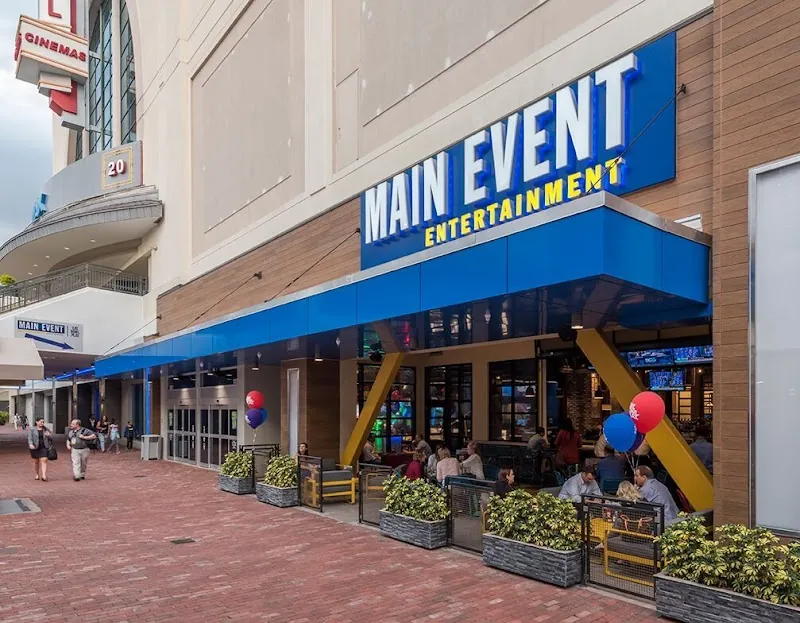
Walking into one for the first time, you'll notice the atmosphere is different from a Dave & Buster's-style spot. Fewer arcade games. More serious bowlers who know their equipment, their lane conditions, and their averages down to the decimal point.
Most league bowling venues carry anywhere from 16 to 48 lanes, and serious facilities maintain their lanes on a consistent oil pattern schedule. That matters more than it sounds. Oil patterns directly affect how your ball breaks, and competitive bowlers expect a house shot or sport shot that's been freshly applied, not one that's been chewed up by six hours of open bowling traffic.
And yes, you can still show up for a casual game at most of these places. But their core business is the league. That distinction shapes everything about how they're run.
What to Expect When You Walk Through the Door
Pro shops are common. Not a guarantee, but you'll find them at most established league bowling venues, often run by certified fitters who can drill a ball specifically for your hand span and release style. That's different from the rental counter at a general bowling alley, where the goal is just getting shoes on your feet and a ball in your hands.
Expect a front desk or league desk staffed by people who actually know the sport. They can tell you which leagues have openings, what nights they run, whether there's a spot for a solo bowler looking to join as a substitute (a "sub"), and what the entry fees look like. Fees vary a lot, but a typical weekly league might cost anywhere from $12 to $25 per session, sometimes including prize fund contributions.
Okay, here's something that catches a lot of new people off guard: most league bowling venues post their lane assignments and team rosters publicly, sometimes on a whiteboard near the entrance, sometimes on a screen. Your scores become part of a running record. That transparency is baked into how competitive bowling works, and it's worth knowing before you commit.
Seating areas are usually arranged so teams can gather between frames. There's almost always a snack bar or bar area. Some facilities are surprisingly nice on that front; others are purely functional. Don't go in expecting a restaurant experience.
How These Venues Differ from Regular Bowling Alleys
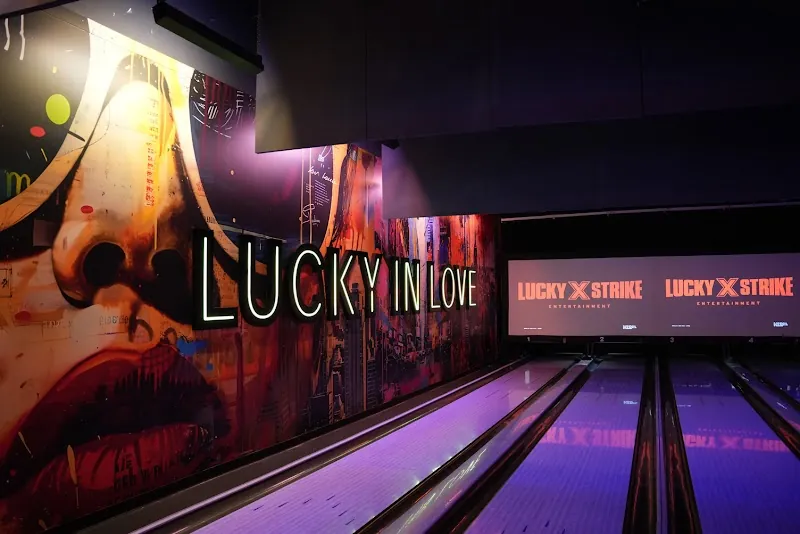
General bowling alleys prioritize volume. Glow bowling nights, birthday party packages, bumpers for the kids. League bowling venues prioritize consistency and repeat customers who bowl the same night every week for months at a time.
That changes everything about how they operate. Lane maintenance is more frequent and more carefully tracked. Staff tend to stay longer and know the regulars by name. Equipment rental is available, but many facilities have locker programs where members store their personal balls and bags on-site. That's not something you'll find at your average family entertainment center.
Pricing structures differ too. Open bowling rates at league venues might actually be slightly higher than at big-box entertainment chains, because these facilities aren't subsidizing lane costs with arcade revenue or laser tag. What you're paying for is better lane conditions and a staff that takes the sport seriously.
Bowling Pal has 149+ verified league bowling venues listed, with an average rating of 4.3 stars across those locations. That rating spread is useful. A 3.8-star facility and a 4.7-star one might both offer leagues, but the reviews will tell you whether the difference is lane maintenance, staff attitude, or something like parking. Always read a few recent reviews before calling ahead.
Worth noting: parking lots at dedicated league venues tend to be larger than you'd expect, because a full league night might have 20+ teams showing up within the same 30-minute window. Crowded at peak times. Go early.
How to Choose the Right One for You
First, figure out what kind of league fits your schedule and skill level. Most venues run multiple leagues per week: mixed gender, men's, women's, seniors, youth, even no-tap leagues where a nine-count on your first ball still scores as a strike. A good facility will have a league coordinator who can match you to the right group.
Skill level matters more here than in recreational bowling. If you're averaging 130 and you join a league where most bowlers average 180+, handicap scoring will help somewhat, but you may not enjoy the experience. Ask the league desk honestly about where you'd fit.
Check the lane count before you commit. Smaller venues with 12 to 16 lanes can feel cramped on a busy league night, and you may end up waiting longer between frames as pairs of lanes cycle through multiple teams. Venues with 24 or more lanes typically run smoother league nights with less downtime.
I'd pick a venue with an on-site pro shop over one without, especially if you're new to league play. Getting your ball fitted properly makes a bigger difference than most beginners expect, and having that resource in the same building saves time.
Frequently Asked Questions
- Do I need my own equipment to bowl in a league? No. Most league bowling venues allow you to use house balls and rental shoes, at least when starting out. Many leagues even have beginner-friendly divisions specifically for people who don't own equipment yet.
- Can I join a league mid-season? Sometimes. It depends on the venue and the specific league. Some leagues allow substitutes throughout the season, and others accept new members in the first few weeks only. Call the venue directly to ask.
- How long does a league season run? Most run between 30 and 36 weeks, typically September through April. Summer leagues are shorter, usually 12 to 15 weeks. Some venues run year-round leagues in overlapping sessions.
- What is USBC membership, and do I need it?
More Ways to Save