What Is Bowling? An Introductory Guide to the Sport

Most people have bowled at least once, probably at a birthday party or a work outing, rolled a ball straight into the gutter, and laughed it off. But if you've ever watched someone actually good at bowling, you know there's a lot more going on than just chucking a heavy ball down a lane and hoping for the best. Maybe you're thinking about joining a league, or you just want to know what you're doing the next time someone drags you out on a Friday night. Either way, you're in the right place. This guide covers everything a new bowler needs to know: the rules, the gear, how scoring works, different formats of the sport, and how to find a great local bowling center near you. Bowling Pal is a business directory built specifically to connect players with local bowling centers, and by the end of this article you'll know exactly what to look for when you search.
The Basics of Bowling: What the Sport Is and How It Works
Bowling is a target sport. Simple as that. You roll a ball down a lane, you try to knock down pins. Everything else is just detail on top of that core idea.
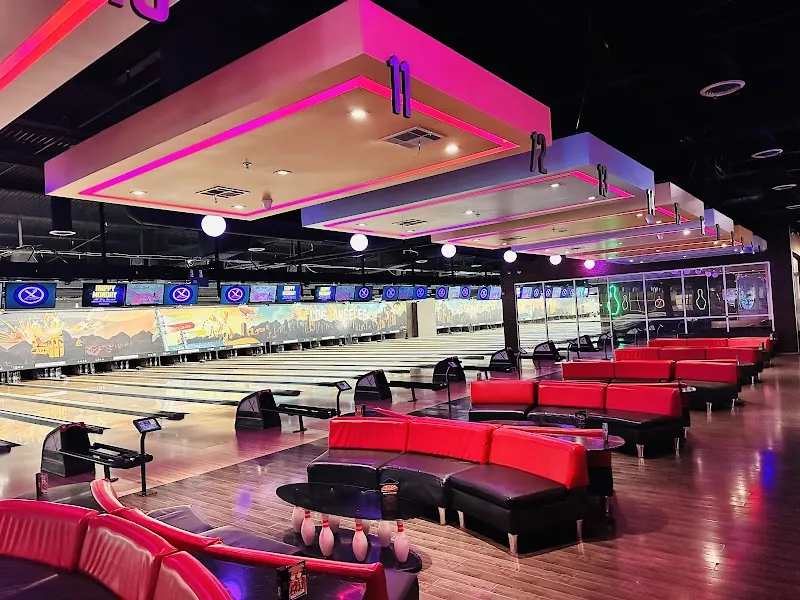
A standard tenpin bowling lane is 60 feet long from the foul line to the head pin. That's longer than it looks from the approach area, and first-timers are usually surprised by it. At the far end, 10 pins are arranged in a triangular formation, four rows deep: one pin in front, then two, then three, then four at the back. Each pin sits on a marked spot, and they're reset between frames by an automated pin-setter. Bowling alleys used to employ kids called "pin boys" to do this job by hand, which, honestly, sounds like a rough gig.
A full game of bowling consists of 10 frames. In each frame, you get up to two chances to knock down all 10 pins. If you knock them all down on your first ball, that's a strike and you don't need a second ball for that frame. If you leave some standing after the first ball and knock the rest down on your second, that's a spare. If you do not knock all 10 down in two balls, you just count whatever pins fell. Simple enough in concept, though the scoring gets a little more involved once bonuses come into play, which we'll get to in a minute.
One thing that surprises a lot of new bowlers: you can't step over the foul line, which is that black line at the start of the lane. Cross it and any pins you knock down on that ball don't count. It's strictly enforced in leagues and tournaments, less so during casual open bowling, but you should still know it exists.
A Brief History of Bowling
Bowling is old. Really old. Archaeologists found objects in an ancient Egyptian child's tomb that look like early versions of bowling balls and pins, dating back to around 3200 BC. There's also evidence of similar pin games in ancient Rome and Finland. So humans have apparently been knocking things over with heavy round objects for a very long time, which tracks.
In medieval Europe, a version of the game called "kegels" was popular in Germany, where people would bowl at targets in churchyards as part of religious ceremonies. The "kegeler" eventually became just a person who bowls, and that's where the word "kegler" (a casual term for a bowler) comes from. Martin Luther is often credited with standardizing the number of pins at nine, though historians disagree on how seriously to take that story.
Tenpin bowling as we know it got formalized in the United States during the 19th century. Nine-pin bowling was actually banned in several states in the 1840s because it was associated with gambling, so people just added a tenth pin to get around the law. That little workaround ended up becoming the dominant format in North America. By the early 1900s, bowling had grown enough that governing bodies started forming. The American Bowling Congress, which eventually became part of the United States Bowling Congress (USBC), was founded in 1895. Today the USBC sets the rules, certifies equipment, and runs national competitions. Internationally, the sport is overseen by World Bowling, and it has been included in various regional and global sporting events over the years.
Bowling exploded in popularity in mid-20th century America. Bowling alleys became community hubs, especially in working-class neighborhoods. At its peak in the 1960s and 70s, there were thousands of bowling centers across the country, many of them massive facilities with dozens of lanes, restaurants, and cocktail lounges. The industry has contracted somewhat since then, but bowling remains one of the most participated-in recreational sports in the United States.
How Scoring Works in Bowling
Scoring is where most new bowlers get confused. It's not just "count your pins." There's a bonus system built in, and once you understand it, you'll also understand why strikes are so valuable.
Basic rule: each pin knocked down is worth one point. You have 10 pins per frame and 10 frames per game, so the theoretical maximum without any bonuses would be 100 points. But here's where it gets interesting.
A strike, knocking all 10 pins with your first ball, earns you 10 points plus a bonus equal to your next two balls. So if you throw a strike and then knock down 7 pins and then 2 pins, your strike frame scores 10 + 7 + 2 = 19 points. A spare, clearing all remaining pins on your second ball, earns 10 points plus a bonus equal to your next one ball. If you get a spare and then knock down 8 pins on the next frame's first ball, your spare frame scores 10 + 8 = 18 points.
String enough strikes together and the scores compound fast. Two strikes in a row is called a "double." Three in a row is a "turkey," which is a term people use constantly in bowling and sounds ridiculous every single time. Getting to a perfect score of 300 requires 12 consecutive strikes: one in each of the first 9 frames, and then three in a row in the 10th frame (the 10th frame allows up to three balls if you get a strike or spare). Twelve strikes times the maximum bonus scenario works out to exactly 300. Very few recreational bowlers ever get there, and even experienced league bowlers treat a 300 game as a major achievement.
Open frame: count only pins knocked down (max 9 per ball, 2 balls). Spare: 10 + next 1 ball as bonus. Strike: 10 + next 2 balls as bonus. Perfect game: 12 consecutive strikes = 300 points.
Most recreational games land somewhere between 80 and 140 for newer bowlers. A score around 170-190 means you're actually pretty consistent. Getting above 200 regularly puts you in solid league territory.
Equipment and Gear Every Beginner Should Know
You don't need to buy anything to start bowling. Every bowling center has house balls and rental shoes. That said, knowing what you're picking up off the rack helps.
Bowling balls range from 6 to 16 pounds. House balls, the ones you grab from the ball return rack at a bowling center, are usually made of hard polyester and drilled with a generic finger hole layout that may or may not fit your hand well. They're fine for casual play. Personal balls are a different story. Serious bowlers invest in balls made of reactive resin or urethane, materials that grip the lane surface and create a curving hook as the ball travels down the lane. The hook is what gives you better entry angle into the pins and leads to more strikes. A decent reactive ball can cost anywhere from $80 to well over $200, plus drilling fees.
Bowling shoes are required at every bowling center without exception. This is not a suggestion. Regular street shoes pick up dirt and debris that can damage the approach area, and they don't have the right sole to protect the lanes or your own approach. Rental shoes usually have a slick sole on both feet. Performance shoes designed for regular bowlers have a sliding sole on one foot (your sliding foot) and a braking sole on the other. If you plan to bowl more than a few times a year, buying your own shoes is worth it. Rental fees add up and the fit is never quite right.
Optional accessories include wrist supports, which help bowlers maintain a consistent wrist position during the release, bowling gloves for grip and wrist stability, and rosin bags for keeping your hand dry. None of these are necessary when you're just starting out. Wait until you've bowled enough to identify what feels inconsistent in your game before spending money on accessories.
One more thing worth mentioning: bowling bags. If you buy your own ball and shoes, you'll want a bag to carry them. Single-ball bags are cheap and easy. Bigger tote bags hold two or more balls plus shoes, which matters if you bowl in leagues and carry a spare ball for different lane conditions.
Types of Bowling and Popular Formats
Tenpin bowling is what most people in North America mean when they say "bowling." Ten pins, 60-foot lane, 16-pound maximum ball weight. But other formats exist and are popular in different regions.
Duckpin bowling uses smaller balls (no finger holes) and shorter, squatter pins. It's mostly found in the mid-Atlantic and New England states. Candlepin bowling, popular in New England and parts of Canada, uses tall thin pins and a small ball, and fallen pins are not cleared between balls within a frame, which makes it genuinely harder than tenpin. Five-pin bowling is a Canadian format with five pins and a smaller ball, and it's almost exclusively played in Canada. Each format has its fans and its own regional bowling centers.
In terms of how people actually play, there are three main formats to know about. Open bowling is drop-in, pay-per-game, no commitment. You show up, rent your shoes, pick a ball, and bowl. This is what most beginners do and it's the best way to get started. League bowling is organized, season-based competition where you join a team and bowl on a set schedule, usually weekly, over a period of months. Leagues exist for all skill levels, including beginner leagues, so don't assume you need to be good to join one. Tournament play is more competitive and usually requires a certain level of experience or a minimum average score to enter.
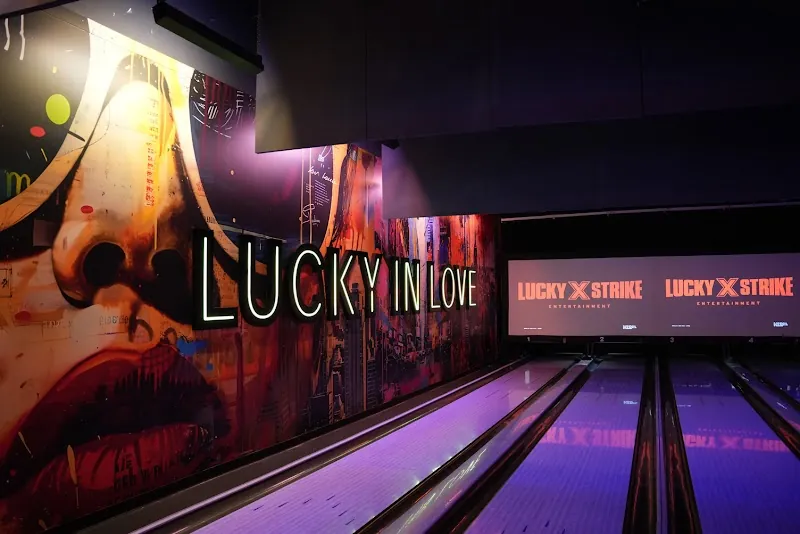
Cosmic bowling, also called glow bowling, is where the lights go down, the black lights come on, and the lane glows. It's a social format, usually available on Friday and Saturday nights, and it's genuinely fun even if you're a complete beginner. Many bowling centers do themed nights with music and special pricing. If you're looking for a low-pressure way to get a group out together, cosmic bowling is a solid pick over a regular open bowling session.
Go with open bowling for your first visit. No pressure, no commitment, and most bowling center staff will give you basic tips if you ask. Once you've gone a few times and feel comfortable, look into beginner leagues at your local center. Leagues are genuinely one of the best ways to improve fast because you're bowling consistently and around people who know what they're doing.
Bowling in the United States: Industry Data and Local Centers
Here's some real data on where bowling is active right now, at least within the Bowling Pal directory. Bowling Pal currently lists 100 bowling-related businesses across multiple cities, with an average customer rating of 5.0 stars across all listings. That's a strong number and suggests people are genuinely happy with the bowling options in the communities represented.
Shreveport, Louisiana leads the directory with 16 listings, the highest concentration of any city in the database. That's a meaningful cluster. Williamsville, New York and Lockport, New York each have 6 listings. Bossier City, Louisiana has 5 listings, and Monroe, Louisiana rounds out the top five with another 5 listings. Worth noting: Louisiana shows up three times in that top five, which says something about how seriously that region takes bowling as a community activity.
| City | State | Directory Listings |
|---|---|---|
| Shreveport | LA | 16 |
| Williamsville | NY | 6 |
| Lockport | NY | 6 |
| Bossier City | LA | 5 |
| Monroe | LA | 5 |
Among the top-rated businesses in the directory, Liberty Mutual Insurance in Shreveport, LA holds a 5.0-star rating based on 4 reviews. Yes, an insurance business shows up in a bowling directory, which might seem odd at first, but it actually makes sense: bowling centers require liability coverage, leagues need insurance, and tournament organizers often work with local insurance providers. It's a real part of the bowling business ecosystem that most people outside the industry never think about.
A directory like Bowling Pal matters because finding a quality local bowling center isn't always obvious. Google gives you a list of names and addresses, but it doesn't tell you much about the atmosphere, the lane conditions, or whether the staff are helpful to beginners. A curated directory with real ratings from actual customers cuts through a lot of that uncertainty fast. And when you're new to a city, or just new to bowling, that kind of shortcut is genuinely useful.
On a related note, if you're on a budget while getting into bowling as a regular hobby, it helps to stretch your dollars elsewhere too. For instance, some people who are building out their bowling gear on a budget shop at salvage or discount stores for snacks, drinks, and small household items to offset costs. You can browse salvage grocery options in your area if that's something that interests you, especially if you're stocking up for a league night at home before heading out.
Tips for Getting Started as a New Bowler
Start with open bowling. Don't sign up for a league until you've been to a bowling center at least three or four times and know you actually enjoy it. That sounds obvious, but plenty of people commit to a whole season and then bail after three weeks because they didn't realize how much they'd be standing around waiting between turns.
When you first walk in, talk to the staff at the front desk. Tell them you're new. Most bowling center employees are happy to give you a quick rundown on how things work, which balls to try, and any tips for your first session. Don't be shy about it. They've seen a thousand beginners and they're not going to judge you.
Pick a ball that you can hold comfortably without gripping too hard. A ball that's too heavy will make your arm and shoulder tired fast and will also hurt your accuracy. Most beginners do well with something in the 10-12 pound range, though some people go lighter if they're smaller or have joint issues. Bowling with a 16-pound house ball on your first visit because you think it'll knock down more pins is a mistake you'll feel the next morning.
Focus on your approach and your release before you worry about anything else. A smooth, consistent four-step approach where you're not rushing to the line will do more for your score than any technique tweak. A lot of first-timers rush, and that's what sends the ball into the gutter. Slow down, breathe, and follow through.
Spare shooting is honestly more important than strikes for building a solid average. A lot of beginners obsess over throwing a hook and getting strikes, but if you can consistently convert your spares, especially single-pin spares, your scores go up much more predictably. Practice shooting straight at corner pins. It's boring but it works.
If you decide you want to get serious, look into beginner leagues. Most bowling centers offer them, they're inexpensive, and you bowl with a handicap system that levels the playing field between different skill levels. You'll also be around experienced bowlers who can give you advice, and you'll improve a lot faster bowling once a week with a team than you will showing up randomly for open bowling every few months.
Wear socks (you'll need them for rental shoes). Arrive 10-15 minutes early to get your shoes and find a ball. Tell the desk staff you're new. Pick a ball you can hold without straining. Don't rush your approach. And honestly, just have fun with it. You don't need to be good on your first time out.
Bowling is one of the most accessible sports out there. You don't need to be athletic, you don't need expensive equipment to start, and you can do it at almost any age. And because the Bowling Pal directory lists 100 businesses with a perfect average rating across cities like Shreveport, Williamsville, Lockport, Bossier City, and Monroe, finding a well-regarded local bowling center near you is easier than it's ever been. Go roll some balls. You'll figure it out.
Common Questions About Bowling
How long does a game of bowling take?
A single game for one person takes about 10-15 minutes. With a group of four or five people sharing a lane, expect a game to take 45 minutes to an hour. Cosmic bowling nights at some centers have slower pacing because of the atmosphere and socializing, so budget more time.
What weight bowling ball should a beginner use?
A good rule of thumb is to pick a ball that is roughly 10% of your body weight, up to a maximum of 16 pounds. Most adult beginners do well in the 10-14 pound range. If the ball feels heavy enough to throw your balance off during your approach, go lighter.
Do I need my own bowling shoes?
No, not to start. Rental shoes are available at every bowling center. If you bowl more than a handful of times per year though, buying your own pair is worth it. You'll save money on rentals over time and the fit will be much better.